
Marshall County Warrant Searches
Marshall County posts no countywide public search form. That makes the court on your citation, summons, or case paper the place to start. A city ordinance warrant can sit apart from the county criminal file. For Circuit, Criminal, General Session, and Juvenile court administration, the Circuit Court Clerk is the county entry point. The Sheriff's Department is a separate contact for service information law enforcement holds.
- Identify the court and county printed on the paperwork.
- For Circuit or General Sessions criminal matters, ask the Circuit Court Clerk to locate the court record.
- For a city citation, call the municipal court or Town Hall named on it.
- Ask whether the process is a citation, summons, arrest warrant, FTA or bench warrant, capias, or another order.
- Call the Sheriff’s Department only if you need a law-enforcement service answer; its listed number is general, not a warrant line.
- Request a specific existing record from the office that keeps it if an informal check is not enough.
The Marshall County warrant overview sorts county, city, state, and federal sources in one map.
No Public Marshall County Search Form
The sheriff's page gives contact details and nothing more. It offers no name, birth-date, case, or warrant number field, no status check, and no update controls. The Circuit Clerk page is similar. It describes the office and its payment tools, not warrant status. Neither claims one system covering county and city courts. A blank commercial search result proves nothing, and the AOC Public Case History tool covers appeals only. TnCIS leaves Marshall County off its participating list. The Marshall County Sheriff's Department page lists no warrant phone, counter hours, surrender instructions, or public-list disclaimer either, so call the issuing clerk.
Marshall County Warrant Search: Information to Provide
No public search form means no official county fields to copy. When you contact a clerk, ask what details help locate an existing file. Have the basics ready. Treat any list as talking points for a call, since Marshall County runs no such portal with input boxes.
| Detail | Why it helps | Where to get it |
|---|---|---|
| Issuing court | Separates city, county, juvenile, and federal records. | Citation, summons, or prior court paper. |
| Case or citation number | Helps the clerk find a specific docket entry. | Ticket, receipt, notice, or bond paperwork. |
| Date and matter type | Narrows a request without asking an office to build a new list. | Notice or the person’s own recollection. |
| Current question | Clarifies whether you need a copy, status, return, or next court step. | Write it down before calling. |
Do not volunteer extra personal details. A name alone may match two files. Marshall County publishes no public matching rule or status-code key that explains how clerks sort them apart.
Marshall County Records Requests Need Detail
A phone call may settle it. If not, ask the office holding the record. Name the court or agency, the record type, the date range, and any case or citation number. Ask to inspect or copy. A request for a new countywide list would ask the office to build a record it does not keep. The Marshall County Sheriff policy page links a document without listing its fields or fees. The Circuit Clerk has a policy page too. Confirm the requirements with the office itself. State guidance allows seven business days to provide, deny, or explain a delay. The Public Records Act FAQ maps the request route. The official Open Records Counsel guidance page offers state-level access help, and it is no central warrant repository for Marshall County.
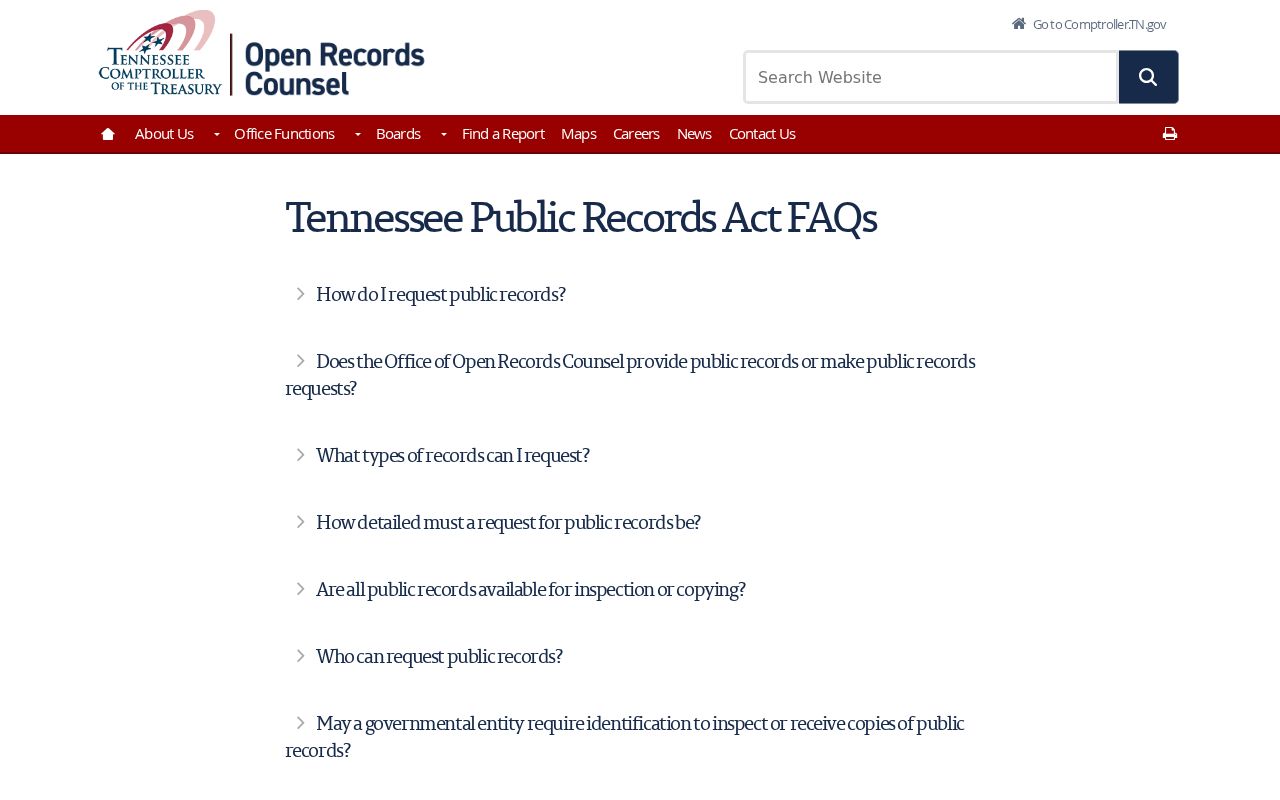
It is request guidance only. It is not a Marshall County warrant application, and the county office still decides which records it keeps and can release.
Marshall County Warrant Search Results
A court file may list a case number, charge, issuing officer, and bond terms. It may also hold an officer's return. A return shows served or not found. That is not a live status label. Marshall County publishes no legend for active, outstanding, served, recalled, quashed, or sealed entries.
| Sample only | Illustrative number label, not a real Marshall County case or number format. |
|---|---|
| Issuance | Court, case, charge, affidavit reference, and issue date when recorded. |
| Bond | Amount and conditions may appear; the county has no published bond schedule. |
| Return | Service date, officer, agency, or not-found result on a returned form. |
| Later orders | A recall or quash order may be separate from the first warrant entry. |
The Tennessee initial-appearance form covers FTA, attachment, capias, and bond choices. The TBI Open Records Request page shows the state route for existing records, apart from any Marshall County warrant search.
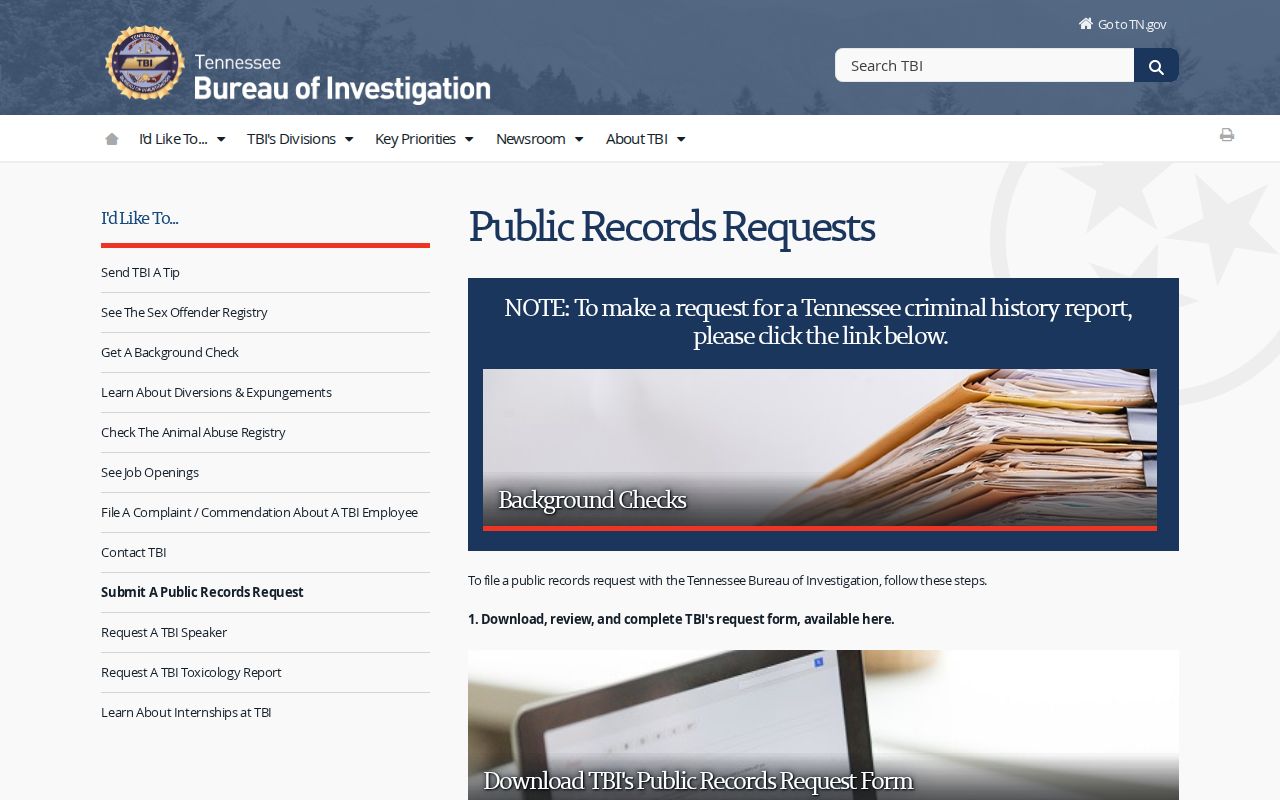
A public-record request asks the holder for a record that already exists. It won't turn any state office into a Marshall County warrant search.
Marshall County Warrants: Who Holds What
Each desk holds its own papers. The Circuit Court Clerk takes county criminal and trial-court questions, while the Clerk & Master holds Chancery, probate, domestic, child-support, and contempt records. The County Clerk handles civil and administrative work. That office is not the usual warrant desk. Each Marshall County city keeps its own municipal process, so call the office named on the paper.
Circuit Court Clerk
302 Marshall County Courthouse, (931) 359-0536. General Sessions and criminal routing are handled through this court office.
Sheriff’s Department
209 1st Avenue North, (931) 359-6122. General law-enforcement contact; no warrant-specific extension was published.
Lewisburg City Court
101 Water Street, (931) 359-4050. Use this route for Lewisburg ordinance and traffic matters.
The Circuit Court Clerk page lists public access services. Its CourtFeePay link covers costs only, not Marshall County warrant status.
Marshall County Warrant Payment Sites Do Not Check Status
CourtFeePay offers Marshall County Sessions Criminal, Sessions Traffic, Probation, and Clerk & Master payment choices. The selectors deal with costs only. No selector there returns an active, cleared, or recalled warrant status. Lewisburg's nCourt page asks for a citation number. It shows payment results, with no warrant-status field. Call the court that issued the citation before paying. Ask whether payment is allowed without an appearance and whether the warrant needs a separate court order. Keep the receipt, then ask the clerk to confirm the docket and any related service record. No Marshall County or Lewisburg source promises that paying online recalls a warrant. The CourtFeePay county selector and the Lewisburg citation page remain payment tools, nothing more.
Marshall County Appellate Searches Have Limits
The AOC Public Case History page documents the appellate search interface, which asks for appellate case information. It can help you locate an appeal. It cannot search Marshall County Circuit, General Session, city, or warrant records. A blank appellate result tells you nothing about a county trial-court matter. For a warrant question, the originating clerk stays the right first call.
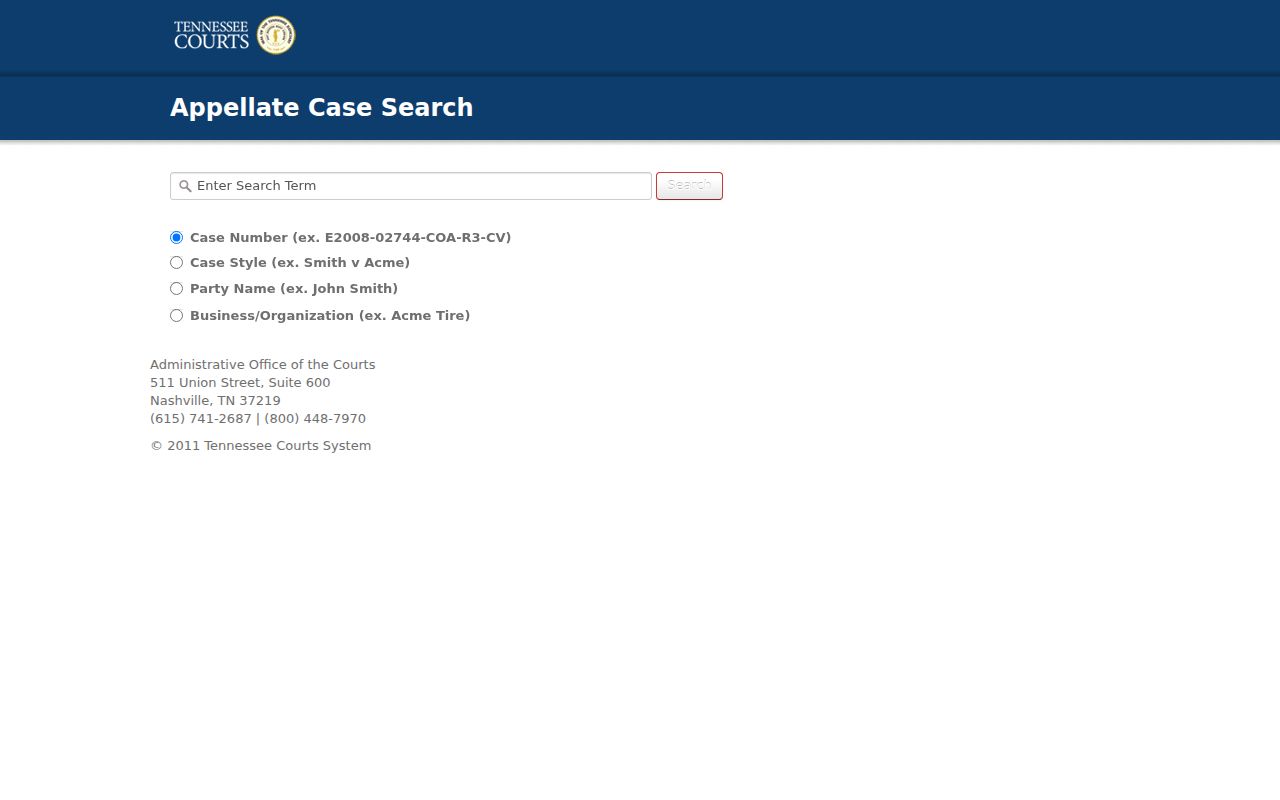
That appellate tool is not a Marshall County warrant lookup. The TnCIS Web Inquiry materials list participating counties, and Marshall County is not on them. The Rule 34 access page shows exceptions still apply.
Marshall County City Warrant Records Need Their Own Clerk
City cases live in city files. A municipal citation usually stays with its own court even when the Sheriff's office serves the papers. Lewisburg, Chapel Hill, and Cornersville keep separate town or city records. Petersburg adds a county-line question. So call the municipal clerk and ask for the citation number, the hearing date, and any later court action. One Sheriff call never checks every city docket. The Tennessee Supreme Court Rule 34 page sets statewide access limits on court records. Lewisburg's charter puts execution and return of City Court process on the city police, and the Cornersville code spells out warrant or summons numbers, disposition, costs, and collection fields.
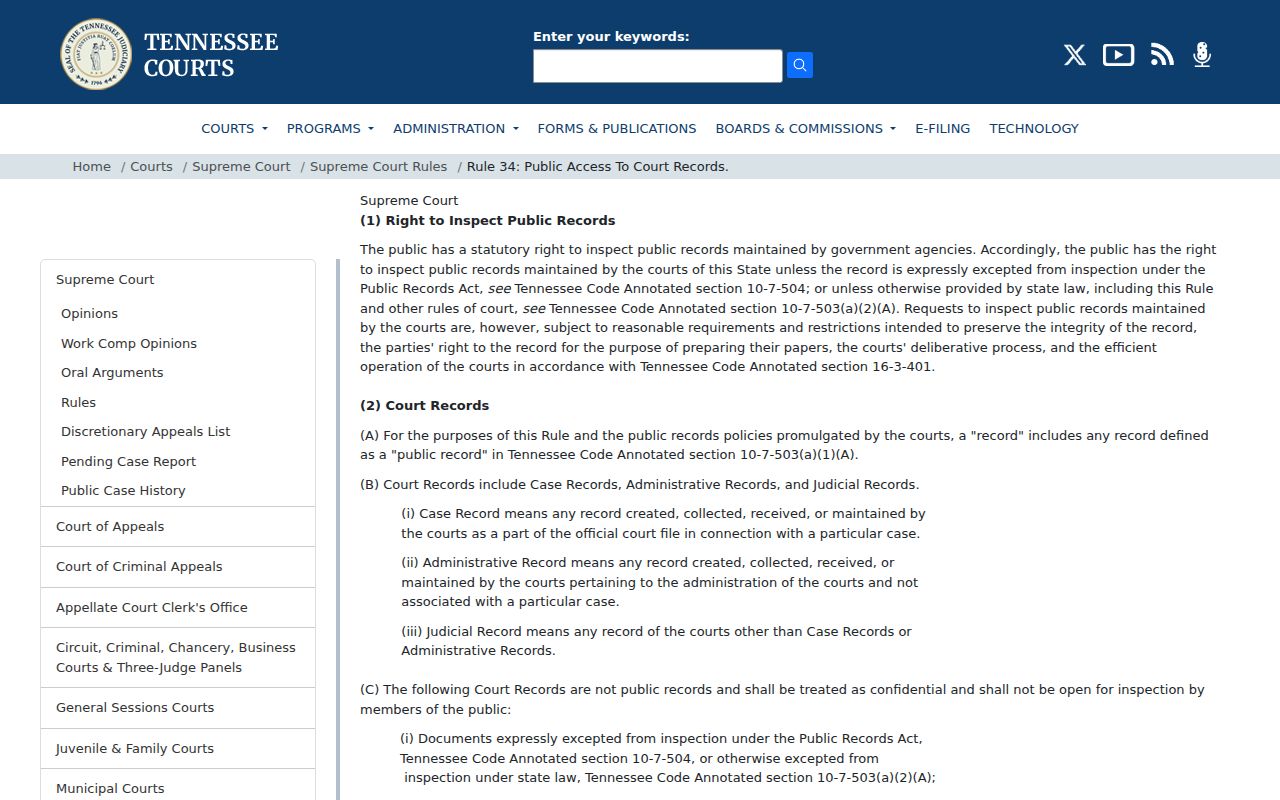
Statewide rules govern court release. The Lewisburg charter covers local process authority, and the Cornersville code lists town docket fields. Juvenile and sealed files still face extra limits.
Which Warrants Stay Restricted
Juvenile files stay closed. Tennessee law and Rule 114 give them special confidentiality protections. Courts can also seal records or limit access by order. Law-enforcement systems like TCIC, NCIC, TIES, and TNCrim serve authorized users only, so they are no substitute for a clerk inquiry. Federal warrants can stay sealed or unexecuted. Those may never reach a public docket search.
Ask the issuing court what can be inspected and whether a redacted copy is available. A public-record law does not erase juvenile, sealed, or law-enforcement restrictions.
The Tennessee juvenile Rule 114 and the state public-records rules explain those limits.

The state guidance office can walk you through the public-record process. It keeps no central Marshall County warrant file.